Reza Pahlavi Positions Himself as Iran’s Transitional Leader Amid Post‑Khamenei Turmoil
Updated Published Cached
Supreme Leader Khamenei’s death triggers national crisis – The passing of Ayatollah Ali Khamenei has plunged Iran into its most uncertain period since the 1979 Islamic Revolution, coinciding with coordinated U.S. and Israeli strikes across the country [2][3].
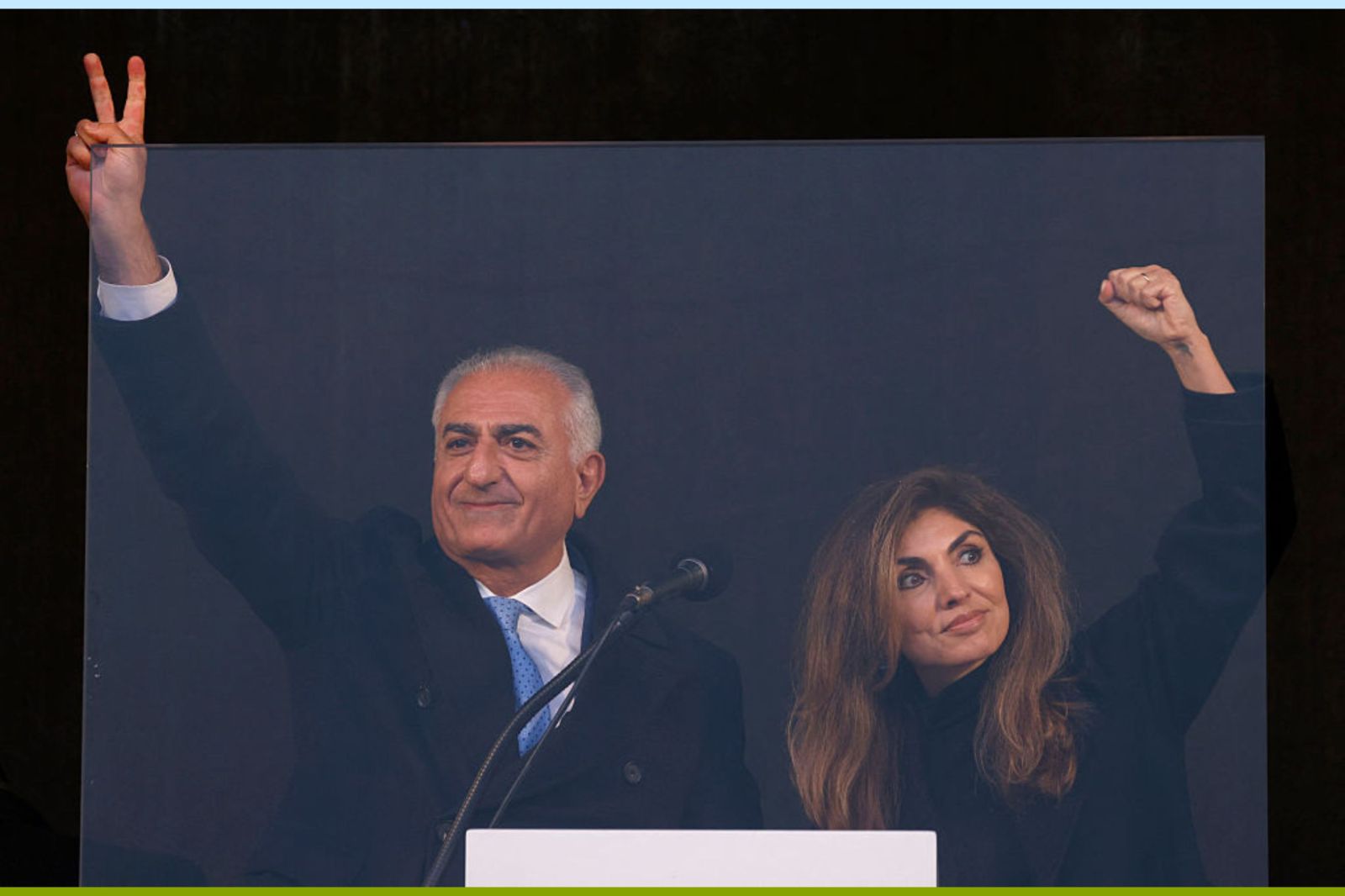
Ex‑crown prince Reza Pahlavi urges calm and promises a “final action” – In a message broadcast during the early hours of the bombardment, Pahlavi told Iranians to stay home, stay alert, and follow his social‑media and radio updates, claiming victory is “very close” [1].
MeK leader Maryam Rajavi unveils a 10‑point democratic transition plan – The National Council of Resistance of Iran, headed by the Mojahedin‑e Khalq’s Rajavi, calls for dismantling the velayat‑e faqih, dissolving the IRGC, establishing universal suffrage, gender equality, and a free‑market economy with social protections [1].
Analysts label Pahlavi a divisive, far‑right figure lacking broad support – Alireza Nader, Ali Alfoneh, Arash Azizi and Mostafa Najafi argue that Pahlavi’s agenda is radicalized, antidemocratic, and fails to mobilize a substantial domestic base [1].
A new Kurdish coalition adds another layer of opposition fragmentation – Five Kurdish groups, including the PDKI, PAK, PJAK, Organization of Iranian Kurdistan Struggle and Komala, formed a bloc that Pahlavi denounced as “separatists,” prompting criticism from opposition analysts [1].
Iran’s regime creates an interim Leadership Council to retain power – Ayatollah Alireza Arafi, President Masoud Pezeshkian and Chief Justice Gholam Hossein Mohseni Ejehe lead the council while continuing missile and drone attacks on Israel and U.S. bases [1].
- Reza Pahlavi – Exiled son of the last Shah, told Iranians to remain home, stay alert, and await his direction for a “final action” to reclaim and rebuild Iran.
- Alireza Nader (analyst) – Described Pahlavi as a “divisive figure” whose movement has shifted to the far right and appeals only to a narrow segment of society.
- Maryam Rajavi (head of the National Council of Resistance of Iran) – Presented a 10‑point plan calling for the end of clerical rule, dissolution of the IRGC, and establishment of a secular, democratic republic with full civil liberties.
- Ali Alfoneh (senior fellow, Arab Gulf States Institute) – Stated the Iranian opposition lacks leadership, resources, and a unifying vision, and that internal disputes weaken its ability to challenge the regime.
- Arash Azizi (Yale University research associate) – Asserted Pahlavi has no serious organization inside or outside Iran and relies on U.S./Israeli attacks rather than a viable domestic strategy.
- Mostafa Najafi (Tehran‑based security analyst) – Noted that both Pahlavi and Rajavi have limited social bases within Iran and that their visibility is amplified mainly by external media.