Columbus Hits Record –9°F as Snowpack Deepens, Cold Wave Extends Through Weekend
Updated (3 articles)
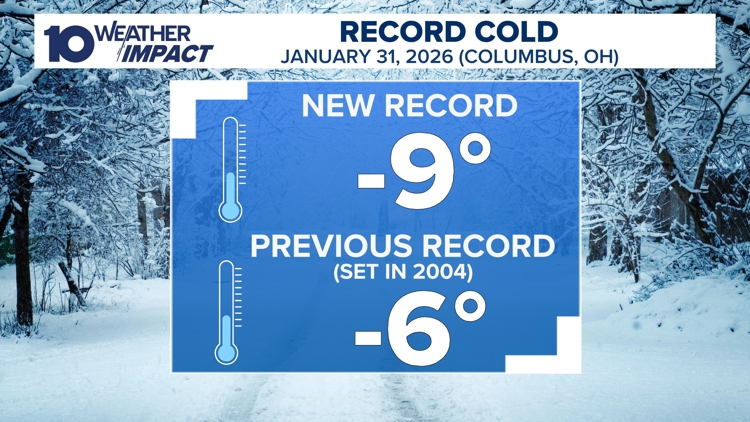
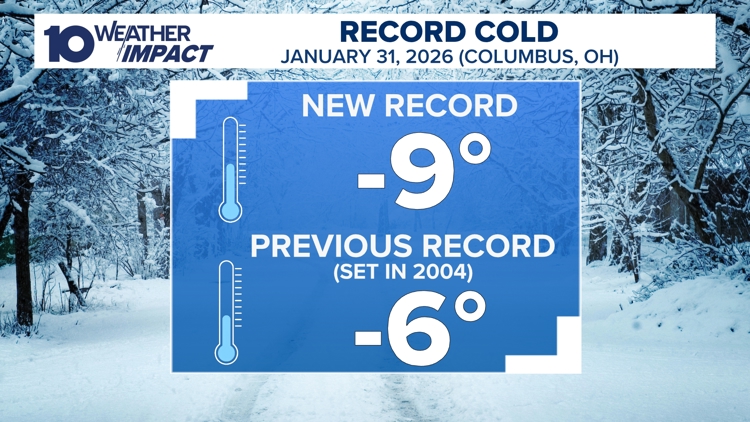
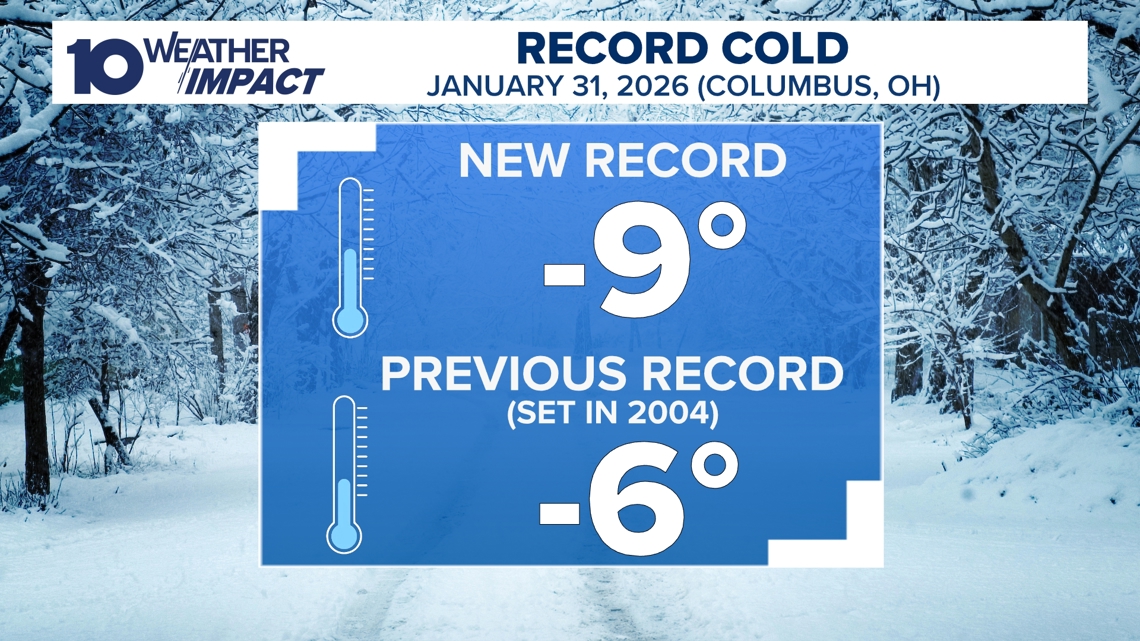
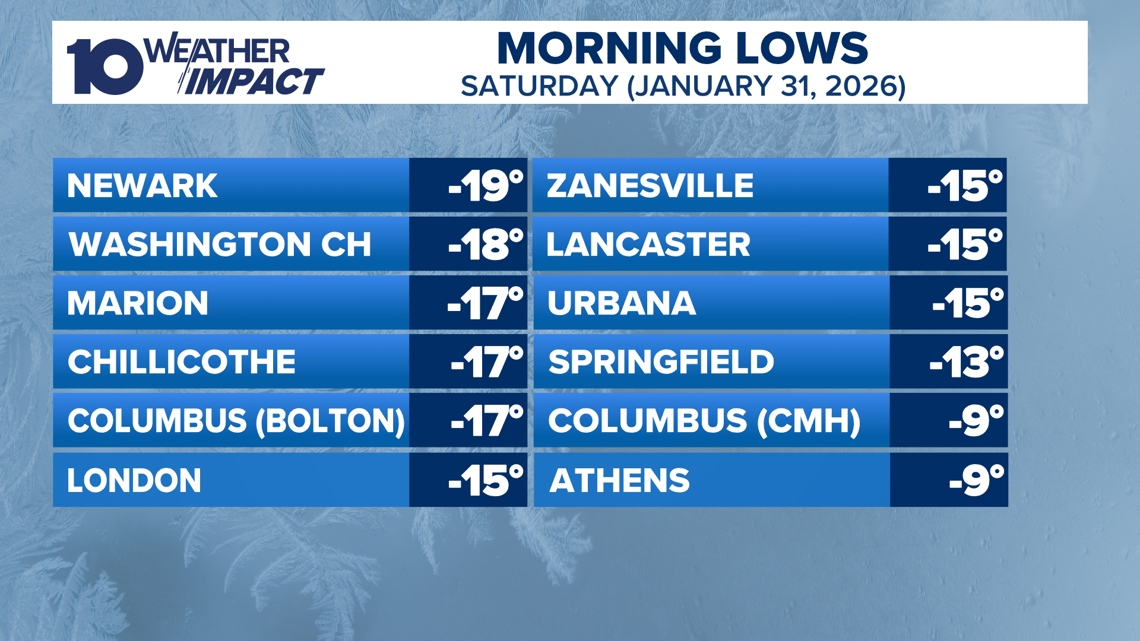
Record‑breaking temperature plunge across Columbus and region On Saturday morning Columbus recorded a historic –9°F at John Glenn Airport, shattering the prior –6°F record set in 2004 [3][1]. Nearby stations in central and southern Ohio logged temperatures between –10°F and –19°F, with wind chills plunging to –30°F [3]. Meteorologist Aaron White highlighted the widespread sub‑zero readings as the coldest weekend in recent memory.
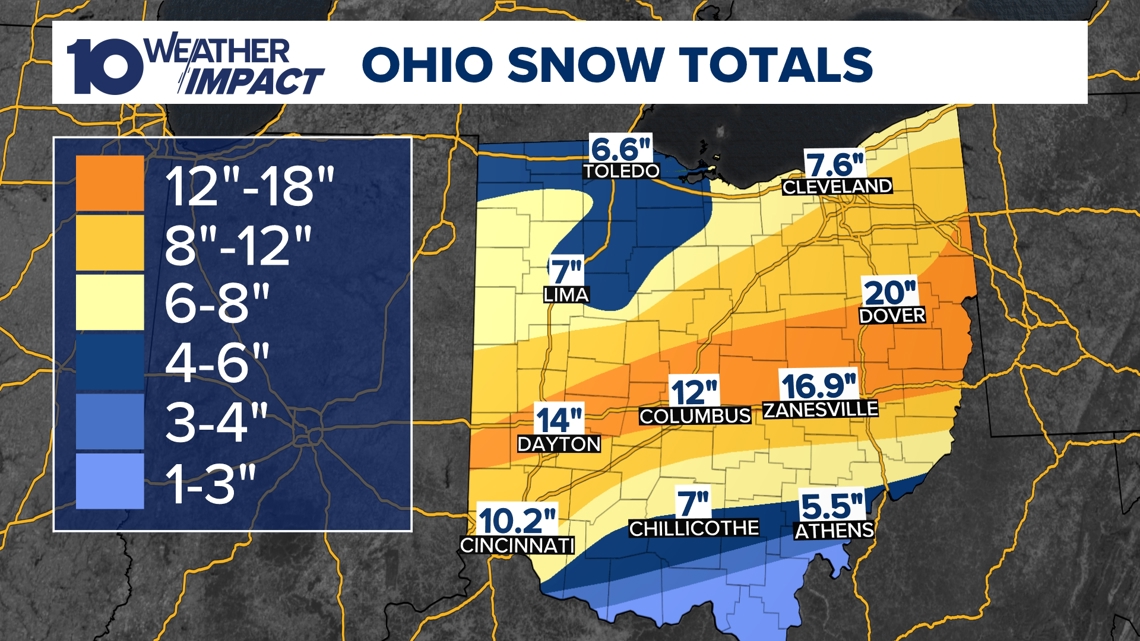
Snowpack reaches 8‑16+ inches, blanketing the state Accumulations of eight to more than sixteen inches fell across central Ohio, creating a deep snow cover that persisted statewide throughout the weekend [1][2]. The extensive snowpack reinforces the frigid air, limiting any rapid temperature recovery. Snow‑report data from the 10 Weather Impact team confirm the uniform depth across the region.
10 Weather Impact Alert Day prolonged due to hazardous conditions The alert, originally issued for Saturday, was extended through Sunday morning as temperatures remained in the low single digits and wind chills intensified [1][2]. Officials warned of frostbite risk and urged residents to limit outdoor exposure. The alert’s continuation reflects the severity of the combined cold and wind.
Arctic air from Canada stalls warming until next week Meteorologists forecast that the Canadian arctic air mass will keep daytime highs below 20°F through the weekend, preventing any rise into the 20s or 30s until the following week [1][2][3]. A gradual warm‑up is expected early next week, with highs climbing into the low 20s and near 30°F. The persistent cold front is expected to linger into mid‑February.
Residents receive continuous updates via 10TV+ streaming The 10 Weather Impact platform provides live forecasts and alerts online, while the free 10TV+ app on Roku and Amazon Fire TV streams 24/7 coverage [1][2]. This ensures the public can monitor evolving conditions without cost. The service emphasizes real‑time information during the deep‑freeze event.
Sources
-
1.
WBNS (Columbus, OH): Columbus Endures Record Cold as Snowpack Persists, Warmer Weather Expected Next Week – Details the –9°F record, 8‑16+ inch snowpack, and forecasts a warming trend next week, emphasizing alert extensions and streaming resources .
-
2.
WBNS (Columbus, OH): Columbus Record Low and Snowpack Keep Central Ohio in Deep Freeze – Mirrors the record low and snow depth, stresses the prolonged Alert Day, and highlights the 10 Weather Impact monitoring and 10TV+ access .
-
3.
WBNS (Columbus, OH): Columbus Sets New Record Low Temperature of –9°F – Focuses on the –9°F reading at John Glenn Airport, reports sub‑zero temperatures and wind chills across the region, and notes an expected gradual warm‑up next week .
Timeline
2004 – Columbus previously records its coldest January temperature of –6°F, a benchmark that will stand for over two decades [3].
Late Jan 2026 – Arctic air from Canada blankets Ohio with 8‑16+ inches of snow across central Ohio and a statewide snow cover that locks in the cold and delays any warming [1][2].
Jan 31, 2026 – Columbus hits a new all‑time low of –9°F at John Glenn Airport, shattering the 2004 record; nearby stations report temperatures in the –10s to –19°F and wind chills plunge to –30°F, raising frostbite risk [3].
Jan 31, 2026 – Meteorologist Aaron White notes that “wind chills plummeted to –30°F,” emphasizing the severe wind‑chill impact on residents [3].
Feb 1, 2026 – The 10 Weather Impact Alert Day extends through Sunday (Feb 2) as wind chills remain dangerously low, prompting continued hazardous‑condition warnings [1][2].
Feb 1‑2, 2026 – Forecasts warn that the Canadian arctic air will keep temperatures below 20°F throughout the weekend, preventing any significant warmup until the following week [1][2].
Early Feb 2026 (next week) – Meteorologists project a gradual warmup, with daytime highs rising into the 20s and near 30°F, offering the first relief after the record‑setting cold [3][1].
Mid‑Feb 2026 – Despite the upcoming warmup, forecasters expect sub‑freezing temperatures to persist into mid‑February, extending the cold spell for the region [3].
External resources (3 links)
- http://facebook.com/AaronWhiteTV/ (cited 1 times)
- http://instagram.com/aaronwhitetv/ (cited 1 times)
- http://x.com/AaronWhiteTV (cited 1 times)