EDF reports successful trials of new acoustic fish deterrent at Hinkley Point C
Updated Published Cached
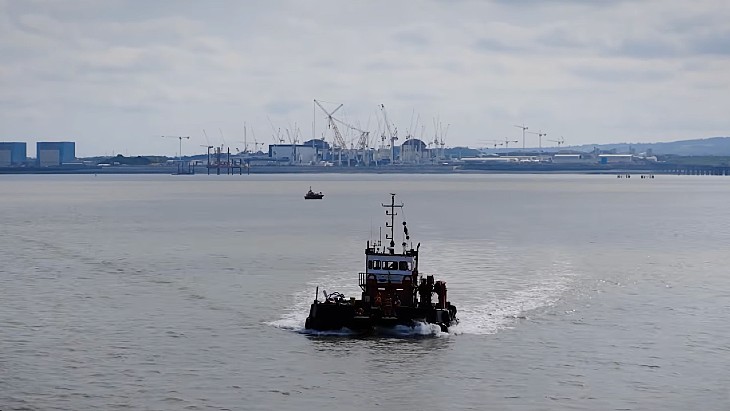
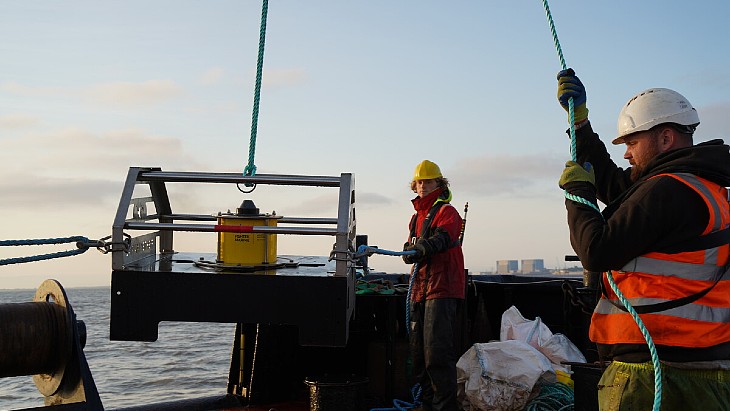
Sea trials demonstrate >90 % effectiveness in keeping fish away – Tests with tagged twaite shad showed only one fish within 30 m of the intake heads when the system was on, versus 14 without; EDF says the data indicate more than 90 % deterrence and tank testing will continue through early 2026 [1].
New system uses high‑frequency ultrasound from ceramic transducers – The technology requires minimal power, can be lowered and serviced from the surface, and is tuned to deter fish while limiting impact on seals and dolphins, unlike the earlier plan of 280 underwater speakers [1].
Previous saltmarsh compensation plan faced opposition – EDF had considered creating up to 900 acres (324 ha) of saltmarsh to meet environmental obligations, but community objections and legal challenges led the company to pursue the acoustic solution instead [1].
£700 million fish‑protection package claimed as world‑leading – Combined measures include specially designed low‑velocity intake heads, a fish return system, and the new deterrent, which EDF says makes Hinkley Point C the most protected plant of its kind [1].
University trials show limited salmon proximity and strong shad avoidance – Swansea University research found only two tagged salmon within 1 km of the intakes over two years, and a majority of shad stayed at least 60 m away when the deterrent operated [1].
Regulatory submission planned for later 2026, avoiding saltmarsh requirement – EDF will submit the trial results for approval, allowing it to meet planning obligations without the 900‑acre saltmarsh, while the plant’s unit‑1 start‑up is now projected for 2030 [1].
- David Clarke, fisheries scientist and marine ecologist at Swansea University – said early results “clearly show the system working … a large majority of the tagged shad avoid an area extending some 60 metres from the intake heads protected by the acoustic fish deterrent system.”
- Chris Fayers, Head of Environment at Hinkley Point C – stated the system “works even better than we had hoped, it means we can meet all of our planning obligations and should not need to create 900 acres of saltmarsh as environmental compensation.”
- Pete Kibel, Managing Director, Fishtek Marine – noted the development “has now produced a highly effective system that will protect fish in the Severn Estuary and potentially be an option for many more power stations throughout the world.”